Related VET Workshops
VET Workshop One – Properties of Natural Light, McCandless Method of Lighting Design, Types of Theatre Lights
VET Workshop Two – Introduction to DMX
Types of LED Fixtures
Understanding LED Fixture Manuals
Rigging and Patching LED Fixtures
Controlling LED Fixtures
VET Workshop Three – Lighting Design, Plotting, Running a Show
VET Workshop 4 Create a Basic WASH
A theatre WASH provides an even illumination across all areas of the stage, usually with two colours such as Warm and Cool, to allow for easy changes of mood, in a similar concept to a painter using broad brush strokes on a painting.
Using Profile lights for the downstage lighting helps to delineate the stage from the auditorium and using Fresnel lights for middle stage and upstage areas provide a soft transition between the stage areas.
Using Fresnel’s for the downstage lighting makes it easier to provide a soft focus, but the sides of the auditorium will be lit as the Beam Angle of a Patt 223 Fresnel is 70 degrees while the Field Angle is 82 degrees. Barndoors will help stop a lot of the spill.
If you use the McCandless Method of lighting design https://scenicandlighting.com/article/the-lighting-design-process/ , you will be able to provide selective visibility to your stage areas.
Using Arena lighting will provide an even front illumination for filming, but cannot provide full selective visabilty, as good Arena Lighting design provides uniform lighting distribution to minimise shadows.
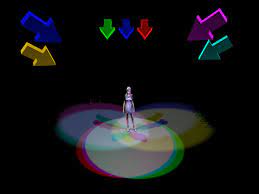
A scale plan and side elevation of the performance area is needed to allow you to determine the correct choice of lights and rigging positions, to ensure full coverage of the entire acting area. You will need a Specification Sheet or Manual for the lights you have available, so you can have matching beam angle and light levels (Lux) for the lights on each lighting bar.
If you have different wattage lights, have the higher wattage lights downstage and the lower wattage lights upstage.
Having a mixture of different wattage lights on one bar will make plotting more difficult as you will need several channel groups for one bar.
If you are using LED lights, have the same make and model on a bar to match intensity and colour.
LED lights should have a tape label with Fixture number, DMX Address with Universe number and Mode.
e.g F12 1/025 10CH
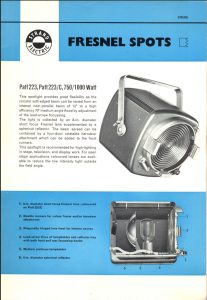
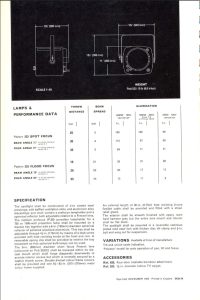
Before setting up your WASH rig, check that your lighting is in good condition. Using a nylock nut on the hook clamp bolts will help ensure that the light stays at the focus position you want it to be in. Have flat steel washers between the yoke and the hook clamp, as well as between the hook clamp and the nylock nut will improve smoother movement.
All lights and cables should have current Test Tags, inspect for physical damage.
Cables and leads need to be neatly dressed on the lighting bars, ensuring that they will not make contact with hot light surfaces.
Check your lighting bars or trusses to see that they have their rated weight clearly marked, the lighting outlet sockets are numbered and Non Dim power for LED fixtures are clearly marked, if you have a mixture conventional and LED rig.
When PLOTTING move your lighting desk into the Auditorium so you are seeing the stage lighting from the audiences perspective.
You need to have a long DMX cable for this and a suitable table with a suitable desk lamp.
Updated 7 May 2026